How Connection
Heals Anxiety in Young Children
If your child worries more than they used to…
clings to you a little tighter…
melts down over things that never used to be a big deal…
or shuts down when things feel hard—
I want you to hear this first:
You’re not doing anything wrong.
And your child is not broken.
I’m Dr. Lum Frundi
A pediatrician, and I’m hosting a
free live parenting workshop on Saturday,
February 28, 2026 at 11:00 AM EST, to help parent
understand what’s really happening underneath
childhood anxiety—and how connection can
help your child feel safe again.
How Connection
Heals Anxiety in Young Children
If your child worries more than they used to…
clings to you a little tighter…
melts down over things that never used to be a big deal…
or shuts down when things feel hard—
I want you to hear this first:
You’re not doing anything wrong.
And your child is not broken.
I’m Dr. Lum Frundi
A pediatrician, and I’m hosting a
free live parenting workshop on Saturday,
February 28, 2026 at 11:00 AM EST, to help parent
understand what’s really happening underneath
childhood anxiety—and how connection can
help your child feel safe again.
Why I’m Offering This Workshop?
I am seeing more anxiety in young children than ever before.
Not just on paper or in studies—but in real families.
In exam rooms.
In conversations with tired parents who are trying everything they know how to do.
And when a child is anxious, it affects everything:
Sleep
Routines
Transitions
The emotional tone of the whole house
You might be noticing that your child:
Worries constantly or needs reassurance again and again
Avoids things they used to manage
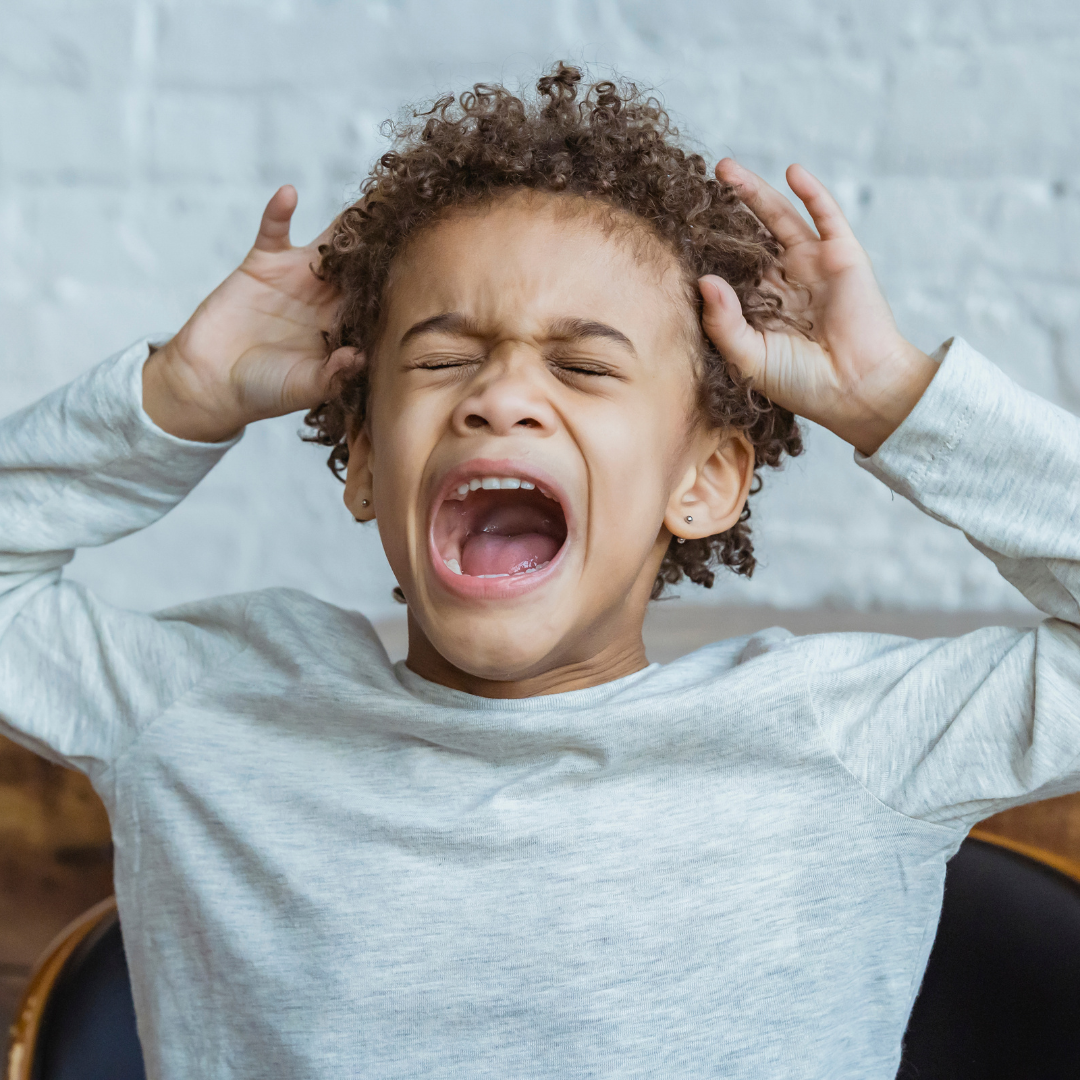
Melts down or shuts down over everyday situations
Has a hard time calming down, separating, or sleeping
If you’ve found yourself thinking, “Why isn’t anything working anymore?” — you’re not alone.
What I Want You to Know About Anxiety

Anxiety
isn't defiance

It isn't
manipulation

It isn't something you caused
Anxiety is a stress response.
Stress, in small amounts, is actually protective.
But when stress becomes constant or overwhelming, a child’s
nervous system can stay stuck on high alert.
And when a child is in that state:
Logic doesn’t land
Saying “just calm down” makes things worse
Behavior strategies don’t stick
What your child needs most in those moments isn’t more pressure.
They need connection that helps their nervous system feel safe again.
Why Connection Makes Such a Difference
Connection isn’t permissiveness.
And it isn’t giving in.
Connection is how a child’s brain learns:
I’m safe.
I’m not alone.
When a child feels emotionally safe:
Their body begins to settle
Big emotions soften
Behavior starts to shift naturally
This is where real healing begins.
What You’ll Learn in This Parenting Workshop
In this free live workshop, I’ll walk you through:
Why anxiety often shows up as behavior or emotional outbursts
What’s happening in your child’s brain and body during stress
The most common misconceptions that keep parents stuck
Three simple, repeatable ways to stay connected and de-escalate hard moments.
These are things you can start using right away, even on hard days.
This Workshop Is For You If:
Your child seems anxious, worried, or emotionally overwhelmed
You’ve tried reassurance, routines, or discipline and still feel unsure
You want to support your child without harsh or fear-based approaches
You care deeply about your child’s emotional wellbeing
You don’t need to wait until things get worse to start supporting your child differently.
A Little About Me
I’m Dr. Lum Frundi, a pediatrician, speaker, and author. I help families understand how stress, the nervous system, and emotional development are connected so parenting feels less overwhelming and more grounded.
I’m also the author of The Worry Garden, a children’s book I wrote to help kids understand worries gently, without fear or shame, and to give families a way to talk about big emotions
together.
BEFORE YOU GO!
If you’ve been feeling overwhelmed, unsure, or quietly worried about your child’s anxiety,
you don’t have to figure this out on your own.
Join me on February 28 at 11:00 AM EST
We’ll slow this down, make sense of it, and take the next step together.
Contact Us


© Copyright 2026. Dr. Lum Frundi, MD. All rights reserved.